8 min read
Set an alarm you’ll actually notice, and keep your pills in sight with a simple organizer—those are the two best ways to set up medication reminders that even the most forgetful or distracted person can stick with. Most people miss doses because their reminders are too quiet, too easy to snooze, or buried in a cluttered phone. This guide breaks down the most practical, foolproof systems for remembering medication—no matter how busy your day or how many times you’ve tried and failed before.
Here’s how to choose a reminder method that genuinely works for your real life, plus the specs and setup tricks that make the difference between “Oops, I forgot again” and “Hey, I actually took my meds!”
The real contenders: which medication reminder setup works in real life?
| Approach | How It Reminds You | Max Reminders/Day | Alarm Volume | Battery Life |
|---|---|---|---|---|
| Basic Phone Alarm | Standard ringtone or vibration | Up to 50 | ~80 dB | Depends on phone |
| Dedicated Pill Alarm Box | Beeping alarm on box | Up to 6 | 90–110 dB | Up to 30 days |
| Smart Reminder App | Custom notifications, popups | Unlimited | ~70 dB (phone-dependent) | Depends on phone |
| Magnetic Whiteboard & Manual Mark-Off | Visual cue on fridge/door | — | — | — |
| Text-Based Bot Reminder | Message popups, repeat alerts | Up to 20 | ~80 dB (phone-dependent) | Depends on phone |
| Vibrating Timer Clip | Physical vibration + beep | Up to 12 | 100 dB + vibration | 7–21 days |
What most buying guides get wrong about medication reminders
Most “best medication reminder” lists assume you’ll reliably check your phone, always keep a smart device charged, or never hit “dismiss” on a notification you didn’t even notice. But if you’re easily distracted, have ADHD, or just juggle too much at once, you need reminders that break through the noise—literally and figuratively. The best system is the one you can’t miss and won’t ignore, even when you’re half-awake or rushing out the door.
That means thinking beyond just apps. For some, a clunky but loud pill box with a 100 dB alarm is far more effective than the fanciest smartphone app. For others, a simple magnetic checklist in your line of sight beats any digital solution. The trick is to match the reminder to your actual forgetfulness habits, not just what’s trending or looks clever online.
Specifications that actually matter
Alarm Volume (dB)
This is the single most overlooked spec for forgetful folks. Many phone alarms max out at 70–80 decibels—loud enough for a quiet room, but easy to miss with background noise or if your phone’s in a bag. Dedicated pill alarms and vibrating clips often reach 100–110 dB, which is about as loud as a power mower. If you regularly miss notifications, go for the highest volume available.
Max Number of Settable Reminders
If you take medication more than twice a day, check how many separate alarms you can actually set. Many affordable pillboxes only support 4–6 reminders, which isn’t enough for midday, evening, and as-needed doses. Phone apps and text-based bots usually let you set 10, 20, or even unlimited reminders, which is crucial for complex regimens.
Battery Life (Days)
Nothing derails a reminder system faster than dead batteries. Standalone devices can last anywhere from 7 to 30 days between charges. If you hate charging things, pick a pill box or timer that runs on replaceable AAA batteries or lasts at least two weeks per charge. For phone-based solutions, remember that a dying phone means no reminder.
Physical Placement (Visibility)
The best reminder is the one you see before you forget. Magnetic whiteboards or pill organizers that live on the fridge or by your toothbrush are impossible to ignore. If you struggle with “out of sight, out of mind”, prioritize a system that lives in your line of sight, not buried in a drawer or notification tray.
Reset and Snooze Options
Some alarms are fiddly to reset or only allow one snooze. If you regularly need a second nudge (or tend to silence alarms in your sleep), look for a system with a repeat function—ideally, reminders that recur every 1–5 minutes until you confirm. This spec is rarely advertised, so check the manual or reviews before you buy.
Related Guides
How to set up a medication reminder system that actually works
Here’s a step-by-step plan for building a reminder routine that even the most forgetful person can stick with:
- Pick your primary reminder: Choose one from the table above that matches your environment and forgetfulness style (e.g., loud alarm box for heavy sleepers, visual fridge marker for “out of sight, out of mind” types).
- Set alarms for every dose, not just morning/evening: If your schedule is unpredictable, stagger reminders (e.g., 8:00, 8:10, 8:20) so you don’t snooze and lose.
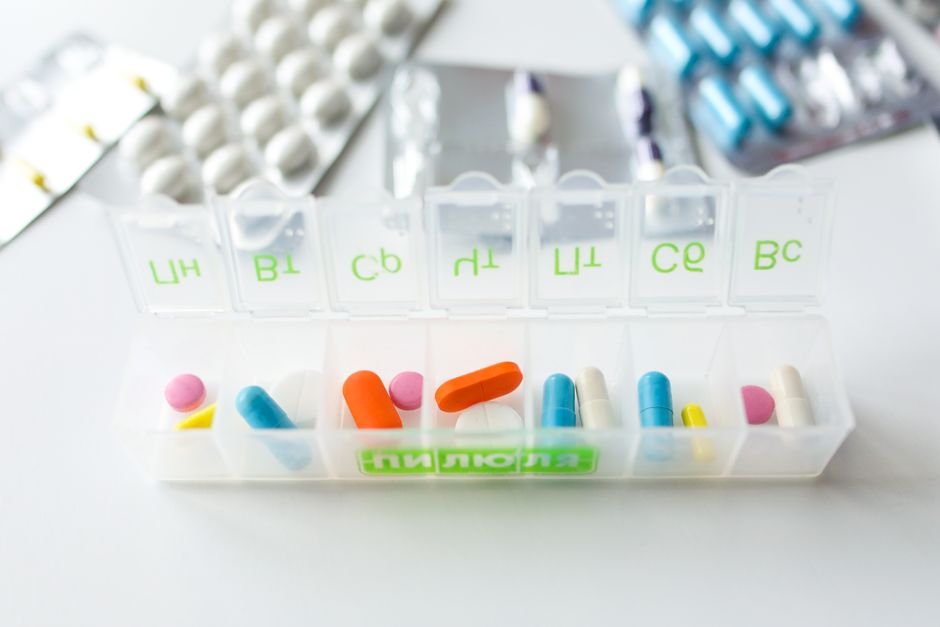
- Place your pills and reminder together: Don’t keep your medication in a drawer. Use a magnetic pill organizer or keep your alarmed box on your kitchen counter, bedside table, or bag you always carry.
- Use a backup reminder: Combine types for redundancy—set a phone alarm and use a checklist, or have a vibrating timer plus a fridge marker. This covers you when one method fails.
- Review weekly: Every Sunday, check batteries, reset alarms, and refill your organizer. Make it part of another routine (like coffee time or after you brush your teeth).
Still not sure which setup will stick?and see which fits your habits (and budget) best.
Why volume, placement, and backup matter more than fancy features
Apps with medication databases and refill reminders sound handy, but most people never use the “extra” features after week one. What actually keeps you on track is a reminder that’s hard to ignore, always nearby, and simple to reset. If you’re the type who leaves your phone on silent or loses track of what day it is, prioritize a physical alarm or a visual system you can’t swipe away.
For those with multiple daily meds, a pill organizer with an integrated alarm is hard to beat. If you’re always on the go, a vibrating timer clipped to your bag or belt can be a lifesaver. And if you just need a gentle daily nudge, a text-based bot that pings your messaging app is an easy win. See today’s deals to find something that fits your routine.
FAQs: The real-world details that matter for forgetful people
How loud is the alarm on a dedicated pill box?
Most dedicated pill alarm boxes beep at 90–110 dB, which is loud enough to wake most people from a nap or cut through household noise. That’s much louder than a typical phone alarm (usually 70–80 dB). If you’re a heavy sleeper or have hearing loss, pick the highest available volume and test it in your bedroom or living room before relying on it.
Can I set more than 4 reminders per day?
Many basic pill organizers max out at 4–6 alarms. If you need more, look for a smart reminder app, text-based bot, or vibrating timer—these often allow 10, 12, or even unlimited reminders per day. Double-check the product details before buying, as some devices don’t make this clear on the box.
Which is better for someone who always snoozes their phone—physical alarm or app?
If you’re prone to snoozing or dismissing phone notifications, a physical pill box with a loud alarm or a vibrating timer is usually more effective. These can’t be swiped away, and the noise (or vibration) is harder to ignore. Apps work well for those who keep their phone nearby and respond to notifications quickly, but they’re easy to miss if you’re distracted.
Is it easy to reset or change the reminder times?
Most phone apps and bots make it simple to change reminder times in a few taps. Physical alarm boxes can be fiddly—some require pressing tiny buttons in a sequence, and others need a full reset to change all alarms. If you need flexibility, test the setup process before committing, or look for online manuals and setup videos for the model you’re considering.
How long does the battery last on a vibrating timer or pill alarm?
Vibrating timers typically last 7–21 days on a single charge, depending on how many reminders you use daily. Pill alarm boxes running on button-cell batteries can last up to 30 days, but volume and frequency of alarms affect battery life. Always keep spare batteries handy—especially if you rely on the device for critical medication.
Does a magnetic whiteboard or checklist really help?
Surprisingly, yes—especially for those who respond to visual cues. Placing a checklist on your fridge or door gives you a physical “did I take it?” prompt. It’s not as foolproof as an alarm, but when combined with another method, it’s a solid backup. If you tend to walk past reminders without seeing them, use bright colors or put the board somewhere you can’t miss.
What if the reminder device breaks or stops working?
Always have a backup system in place, like a manual checklist or a secondary alarm on your phone. Most physical devices come with at least a 12-month warranty, but check the return policy before purchase. If you depend on a single device, keep a spare or learn how to set up an alternative quickly, just in case.
Will this work if I travel or have an irregular schedule?
Yes, but with caveats. Portable vibrating timers and alarmed pill boxes are ideal for travel—they’re compact and don’t depend on WiFi or cellular service. For phone-based reminders, make sure your device is charged and notifications are enabled in all time zones. Adjust your reminders to local time before each trip to avoid missed doses.
Want to see which reminder fits your needs and travel habits? View what’s available for the latest options.
Additional resources for staying on track
If you’re looking for more in-depth advice on medication adherence and reminder systems, check out these high-authority sources:
Remember, no reminder system is perfect—so set up two if you need to. The best way to set up medication reminders is the one that fits your forgetfulness, not someone else’s idea of “productivity.”
Still going to forget, aren’t you?
DontForget is a free Telegram reminder app that doesn’t ping once and give up — it hounds you (in a tone you choose, from gentle to brutal) until you actually do the thing. Nothing to download; it runs right inside Telegram.
Try DontForget free →Last updated: June 2026 · How we research and evaluate