7 min read
Disclosure: As an Amazon Associate and eBay Partner Network publisher, we earn from qualifying purchases. This doesn’t affect what we recommend or how we describe it.
Your morning starts with a sticky note on the bathroom mirror: “Dentist at 8:30.” By noon, you’ve already walked past three more sticky notes—one on the fridge, one on your laptop, and one stuck to your wallet—yet you still miss the midday meds and forget to send that school permission slip. If you’ve ever wondered whether a sticky note system can actually help with ADHD-level forgetfulness (or just create more chaos), this guide sorts out what works, what fizzles, and how to build a reminder setup that doesn’t just become more clutter on your desk.
Sticky note approaches for ADHD: comparison table
| Approach Type | Reminder Capacity | Visibility Duration | Reusability | Placement Options | Price |
|---|---|---|---|---|---|
| Classic Paper Notes | Up to 50 notes/pad | 1–7 days (adhesive life) | Single-use | Any flat surface | $ |
| Color-Coded Note System | Up to 5 color categories | 1–7 days | Single-use | Flat, visible areas | $$ |
| Reusable Sticky Boards | 20–100 notes (board size) | Indefinite (w/ dry-erase) | Reusable | Wall, fridge, door | $$$ |
| Digital Sticky Note Apps | Unlimited (storage) | Permanent (until deleted) | Reusable/editable | Phone, computer | $$ |
Note on pricing: the $ symbols are relative tiers within this comparison — $ is the cheapest of the bunch, $$$ the priciest. Live listings (and exact prices) appear further on.
Choosing the right sticky note system for ADHD-level forgetfulness
Sticky notes are simple, but the way you use them can make or break whether they actually help with ADHD-style distraction. Here’s what to know about each approach:
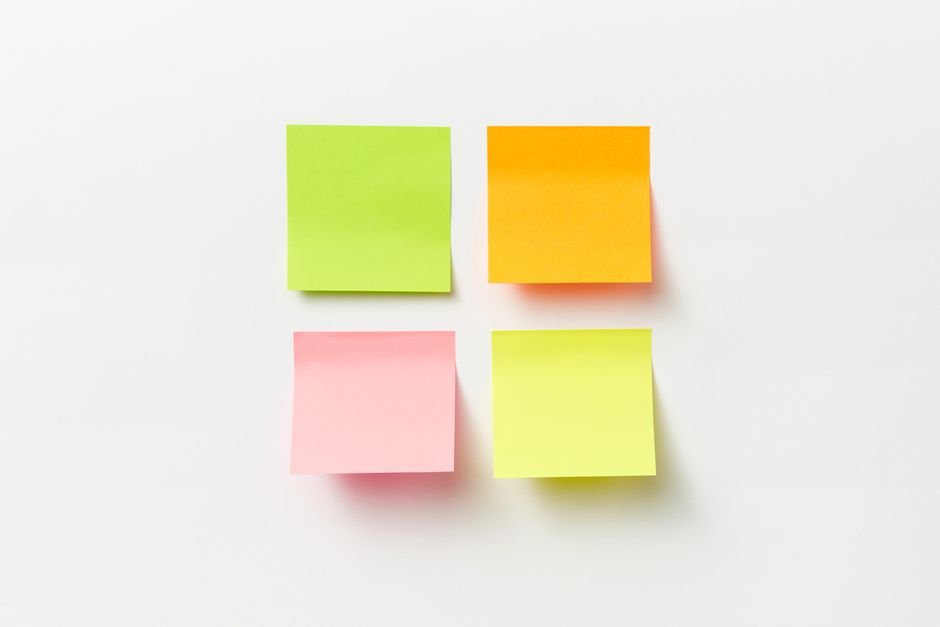
- Classic paper sticky notes: Cheap and everywhere, but they lose their stick after a few days—especially on humid bathroom mirrors or busy fridge doors. One pad gets you about 50 reminders, but you’ll be picking up fallen notes by week’s end.
- Color-coded systems: Using five distinct colors (e.g., blue for appointments, yellow for meds, pink for chores) helps your brain sort priorities fast. This is especially useful if your attention jumps between tasks, but expect to pay more for multi-color packs.
- Reusable sticky boards: These are dry-erase or static-cling boards designed for repeated use. A board with space for 20–100 notes is ideal for visual thinkers and tactile learners. They stick to walls, doors, or fridges, and the notes don’t flutter away when the dog brushes past.
- Digital sticky note apps: Unlimited reminders, searchable, and impossible to lose under the sofa—if you’re comfortable using your phone or computer. Some apps let you set alarms or recurring reminders, which classic notes can’t do. But digital notes lack the physical “in your face” presence that many people with ADHD find helpful.
For most people, a mix of physical and digital works best. For example, use paper notes for urgent tasks (like “TAKE MEDS NOW”) on your coffee maker, and a digital app for recurring weekly appointments. Compare options to see which combo suits your routine and budget.
Common mistakes to avoid
- Sticking notes everywhere: Overloading every surface with reminders leads to “sticky note blindness”—your brain tunes them all out, and nothing gets done.
- Ignoring adhesive quality: Cheap sticky notes can fall off after a few hours, especially on textured or damp surfaces. This means your reminder lands on the floor, not in your line of sight.
- Using only one color: If every note looks the same, urgent tasks blend in with random grocery lists. Invest in a pack with at least three distinct colors for clear sorting.
- Skipping review time: Without a daily or weekly check-in, old notes pile up, and you’re left with a wall of expired reminders. Schedule a “sticky note sweep” every Sunday to clear out the clutter.
- Relying solely on physical notes: Important recurring events (like medication or bill payments) are easy to forget if you run out of notes or miss a day. Pair physical notes with a digital backup if your schedule is packed or unpredictable. See today’s deals on hybrid reminder tools.
Where to place sticky notes for ADHD-friendly reminders
The best sticky note is one you can’t ignore. For ADHD or easily-distracted brains, placement is everything. Stick notes:
- On the bathroom mirror for morning meds or appointments
- On the coffee maker for urgent reminders (e.g., “Pack lunch!”)
- Next to the front door for things you must grab before leaving (keys, permission slips)
- On your laptop or monitor for work tasks
- Inside the fridge for food-related reminders (think “Use leftovers by Friday”)
Limit notes to one or two per location—otherwise, you’ll start ignoring them. For shared spaces, consider using a reusable sticky board on the fridge or entryway. This way, everyone in the house can see (and update) what’s urgent. Want a visual system that sticks? Check current prices for large-format boards or magnetic note holders.
Related Guides
- Alarm Clocks That Actually Help With ADHD Forgetfulness
- Visual Timers That Truly Help Adults With ADHD Stay on Track
- Multifunction Alarm Clocks: A No-Nonsense Guide to Choosing the Best
- Our guide to Portable Digital Clocks That Actually Work: Our Top Picks
- Automatic Pill Dispensers That Actually Work: Our Top Picks Reviewed
- Our guide to How to Charge a Fitness Tracker: A Simple Step-by-Step Guide
- Browse all Calendars & Boards →
Integrating sticky notes with digital reminders
If you’re the type who forgets both the sticky note and the thing the sticky note is supposed to remind you of, pairing your paper system with a digital backup can be a game-changer. Most phones come with a basic “notes” app, but for ADHD-level distraction, look for features like:
- Recurring reminders (e.g., daily, weekly, monthly)
- Custom alarm tones (louder is better—at least 90 dB if you’re a deep sleeper)
- Multiple reminder capacity (at least 10–20 simultaneous alarms)
- Cross-device syncing (so your phone and laptop show the same reminders)
Set a habit: each night, snap a photo of your physical sticky notes and add urgent ones to your digital list. This way, you’re covered if you leave the house without your usual visual cues. For tools that combine both physical and digital reminders, view what’s available in hybrid reminder kits.
For more on how reminders and routines help with attention, see this overview from the National Institute of Mental Health.
FAQ: sticky note systems for ADHD
How long does a typical sticky note stay stuck?
Most standard sticky notes remain attached for 1–7 days, depending on surface and humidity. On smooth, dry surfaces like glass or metal, expect about 3–5 days of strong adhesion. On textured or damp spots (like a steamy bathroom), notes may fall off within 24 hours.
Are reusable sticky boards better than regular notes for ADHD?
Reusable boards offer a big advantage if you want to reduce clutter and keep reminders visible for longer than a few days. They’re great for families, shared spaces, or anyone who needs to update reminders frequently. However, they cost more upfront and require dry-erase markers or special pens, so consider whether you’ll actually use the extra features before investing.
How many reminders can I set with a digital sticky note app?
Most digital sticky note apps allow unlimited reminders, but in practice, it’s best to keep your active list to around 10–20 so you don’t get overwhelmed. Digital systems shine for recurring tasks—like daily meds or weekly appointments—since you can set them to repeat automatically.
Can I stick notes to the fridge or bathroom mirror?
Yes, but check the adhesive strength. Classic paper sticky notes work best on smooth, clean surfaces like mirrors, windows, and fridges. For textured or damp areas, use extra-sticky or magnetic-backed notes, or switch to a reusable board with suction cups or magnets for better hold.
Color-coded vs. plain sticky notes: which works better for ADHD?
Color-coded systems are usually more effective for people with ADHD, since they help your brain sort priorities at a glance. Assigning colors to specific task types (e.g., blue for medical, yellow for work, pink for home) makes it easier to spot what’s urgent and what can wait. Plain notes work, but risk blending together into a wall of white noise.
What if the notes keep falling off or I run out?
If your notes constantly come unstuck, try a reusable board or magnetic note holder instead of relying on cheap paper pads. Running out of notes is a common problem—keep a backup pad in your bag or car, or switch to a digital system for recurring reminders. Most suppliers offer bulk packs or refillable kits for busy households.
Is there a warranty or return policy on reusable boards?
Most reusable boards come with a 30–90 day warranty against defects or adhesion failure. Check the packaging or supplier’s website for details. If the board warps, loses its cling, or arrives damaged, contact the seller for a replacement or refund within the stated period.
Further resources on memory tools and ADHD
For more practical tips on managing forgetfulness, see the Attention Deficit Disorder Association or your local occupational therapy association. These organizations offer up-to-date advice and community-tested strategies for building routines that work with—not against—your brain.
Still going to forget, aren’t you?
DontForget is a free Telegram reminder app that doesn’t ping once and give up — it hounds you (in a tone you choose, from gentle to brutal) until you actually do the thing. Nothing to download; it runs right inside Telegram.
Try DontForget free →Last updated: July 2026 · About our research