8 min read
Disclosure: As an Amazon Associate and eBay Partner Network publisher, we earn from qualifying purchases. This doesn’t affect what we recommend or how we describe it.
Habit tracking journals aren’t just for bullet-journal fanatics. Students trying to keep assignments on track, parents juggling family routines, and anyone whose brain has the attention span of a caffeinated squirrel can seriously benefit from the right paper-based tracker. The question isn’t whether you need one—it’s which style fits your life: a polished planner that keeps you accountable, or a playful log that actually makes habit-building fun. Let’s break down the real options, their quirks, and how to pick the best habit tracking journal for your particular brand of forgetfulness.
Top picks at a glance
- AT-A-GLANCE Foundation Goals Planner — the most recognised brand option
- Knock Knock Where’s My Money Habit Tracker Journal — the most playful and giftable pick
AT-A-GLANCE Foundation vs Knock Knock Where’s My Money: What’s the real difference?
The AT-A-GLANCE Foundation Goals Planner is the household name here—think corporate chic with a side of “I mean business.” It’s built for people who want structure, accountability, and a layout that wouldn’t look out of place in a boardroom. On the other hand, the Knock Knock Where’s My Money Habit Tracker Journal is the colorful, cheeky cousin. It’s lighter on the wallet, heavy on personality, and doubles as a gift for anyone who needs to laugh their way into better habits (or just keep track of where their cash disappears).
Comparison table: Habit tracking journal showdown

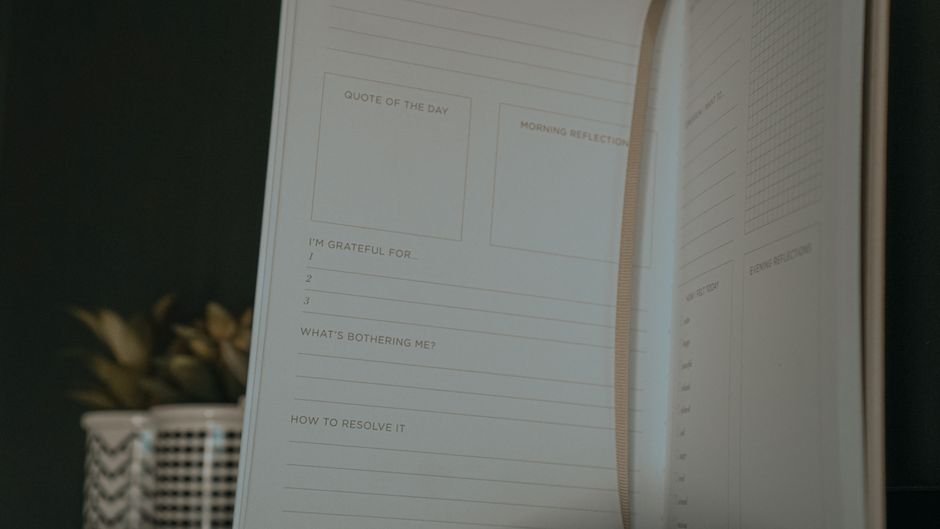
Pictured: AT-A-GLANCE Foundation
| Product | Condition | Price | Best For | Habit Tracking Focus | Gifting Potential |
|---|---|---|---|---|---|
| AT-A-GLANCE Foundation Goals Planner |
New | $$$ | Most recognised brand option | Goal planning & daily routines | Professional |
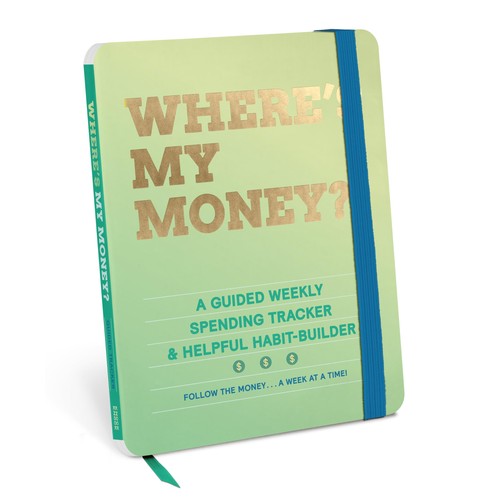 Knock Knock Where’s My Money Habit Tracker Journal Knock Knock Where’s My Money Habit Tracker Journal |
Good | $ | Most playful and giftable pick | Money habits & lighthearted tracking | Fun, casual |
Pricing key: $ marks the budget tier, $$ the mid-range, $$$ the premium picks. Tiers are relative to the products in this comparison; actual prices update live below.
Related Guides
- The Best Family Wall Calendars, Reviewed for Real-Life Households
- Our guide to Medication Reminder Devices for Seniors That Actually Work
- The Top 5 Fitness Trackers Worth Your Money
- Loud Alarm Clocks That Actually Wake You Up
- Bluetooth Key Finders for Android: Which Ones Actually Work?
- Digital Wall Calendars That Actually Help You Stay on Track
- Browse all Planners & Journals →
What most buying guides miss about habit journals
Most guides rattle off paper quality and binding, but for genuinely forgetful folks, what actually matters is whether you’ll *want* to use the thing every day. The AT-A-GLANCE Foundation is ideal if you crave a sense of order: it typically includes space for monthly goal-setting, weekly habit logs, and daily checklists. Expect layouts that let you track 3–5 habits per week, with dedicated pages for reflection and progress reviews. It’s designed for people who want to see their growth on paper, not just in their heads.
In contrast, the Knock Knock Where’s My Money is more about the “aha!” moments—think prompts that nudge you to reflect on spending or celebrate small wins. Its focus is narrower (mostly financial habits), but its playful tone helps you actually stick with tracking, especially if you’re prone to abandoning strict planners after a week.
The spec almost nobody talks about: Habit focus and emotional fit
Here’s the deal: the best habit tracker for you is the one you’ll actually look at after the first week. If your main challenge is remembering appointments, medication, or multi-step routines, the AT-A-GLANCE Foundation’s broad daily layouts (often with 12 months of undated pages) are a match. If your Achilles’ heel is budgeting or impulse spending, the Knock Knock Where’s My Money gives you a guilt-free, gamified way to track cash flow and savings goals—usually with 60–90 days of prompts per journal.
For anyone who finds standard planners intimidating or, frankly, boring, the Knock Knock’s punchy illustrations and offbeat prompts can make habit tracking feel less like a chore. If you’re gifting to a student, new grad, or someone who gets overwhelmed by structure, this is the safer bet.
How we picked these: What really matters for forgetful folks
We focused on two things: usability for attention-challenged brains, and whether the journal format fits real-life routines. We compared the listed features and stated focus of each option, prioritizing:
- Layout clarity: Is it easy to see your progress at a glance? Can you track multiple habits or just one?
- Habit variety: Does it support general routines (sleep, water, meds) or focus on a specific area (like finances)?
- Duration: How many weeks or months can you track before needing a new journal?
- Emotional tone: Is it encouraging, playful, or formal—what will keep you coming back?
- Price-to-value ratio: Is the cost justified by the features and design quality?
We excluded generic, unbranded habit notebooks with no clear layout or focus, as well as any bundles that muddle the main product with unrelated extras. This guide isn’t for digital-only folks or those who want a hyper-customizable system—paper journals are for people who want something tangible, with clear prompts and a sense of progress you can hold in your hand.
If you already track everything in a digital app or want something that integrates with your phone, these might not be the best fit. But if seeing your wins in ink helps you stick with routines, read on.
Total cost of ownership
Paper habit journals seem simple, but there are a few ongoing costs and quirks to watch for:
- Replacement journals: Most habit trackers cover 2–12 months. Expect to buy a new one at least annually (AT-A-GLANCE Foundation) or every 2–3 months (Knock Knock Where’s My Money), depending on your tracking frequency.
- Writing supplies: If you’re picky about pens, budget $5–$20 a year for gel pens, highlighters, or stickers to keep things fun and readable.
- Storage/archiving: Saving filled journals can take up space—plan for a dedicated shelf or box if you want to keep more than two years’ worth.
- Lost pages or damage: Spilled coffee, torn pages, or misplaced journals can mean lost data. Some users buy protective covers ($10–$15) or digital backup systems (like scanning to cloud storage).
- Impulse upgrades: Once the habit-tracking bug bites, it’s easy to splurge on fancier journals, planner accessories, or washi tape. Set a yearly “planner fun” budget if you’re prone to going overboard.
FAQ: Real-world habit tracking journal questions
How long does the AT-A-GLANCE Foundation last before you need a new one?
Most versions of the AT-A-GLANCE Foundation span 12 months of undated or dated pages. If you track daily, you’ll likely need a fresh planner each year. If you skip weeks, it may last longer, but the structured layout is designed for consistent use.
Knock Knock Where’s My Money vs AT-A-GLANCE Foundation — which is better for students?
If you want to track a range of habits (study, sleep, exercise), the AT-A-GLANCE Foundation offers more flexibility. For students focused mainly on budgeting or building basic routines, the Knock Knock Where’s My Money’s playful prompts may be more motivating and less intimidating to fill out.
Can you use these journals for tracking medication or health routines?
Yes, especially with the AT-A-GLANCE Foundation, which is designed for a variety of daily habits. The Knock Knock Where’s My Money focuses more on financial habits, so it’s less suited for health tracking unless you customize its pages for your needs.
Is the price difference worth it between the two journals?
The AT-A-GLANCE Foundation costs more but offers a more comprehensive and structured layout, which can be worth it if you’re managing multiple habits and want a professional look. The Knock Knock Where’s My Money is much more affordable, so it’s a lower-risk way to experiment with habit tracking or gift to someone just getting started.
What if you lose motivation partway through the journal?
This is a common problem—especially for those of us who get distracted. Choosing a journal with a tone and layout you actually enjoy increases your odds of sticking with it. Some people also set calendar reminders to check in with their journal weekly, or reward themselves for each month completed.
Are there any allergy or eco considerations with these journals?
Most paper journals use standard materials, but if you’re sensitive to certain inks or want recycled paper, check the manufacturer’s details before buying. Neither of these options is specifically marketed as eco-friendly, so committed environmentalists may want to look for journals with recycled content or certifications from recognized groups like FSC.org.
Verdict: Which habit tracking journal fits your life?
If you need a recognizable, professional tool for tracking a range of habits, the AT-A-GLANCE Foundation is the reliable choice—its structure is ideal for busy professionals, parents, and anyone who thrives on order. If you’re looking to inject some fun into your routines (or gift a tracker to someone who’d rather poke their eye out than use a corporate planner), the Knock Knock Where’s My Money delivers on both affordability and personality. Pick the one you’ll actually use—because the fanciest tracker in the world can’t help if it’s collecting dust under your bed.
Still feeling overwhelmed? Browse more habit trackers here for other styles and formats.


Still going to forget, aren’t you?
DontForget is a free Telegram reminder app that doesn’t ping once and give up — it hounds you (in a tone you choose, from gentle to brutal) until you actually do the thing. Nothing to download; it runs right inside Telegram.
Try DontForget free →Last updated: June 2026 · How we research and evaluate