
8 min read
Disclosure: As an Amazon Associate and eBay Partner Network publisher, we earn from qualifying purchases. This doesn’t affect what we recommend or how we describe it.
There are two kinds of people who hunt for vibrating wrist alarms: the deep sleeper who can’t risk waking the whole house, the easily-distracted student or professional who needs a discreet reminder to switch tasks (or take meds), and the posture perfectionist who wants a gentle nudge when they’re slumping. Each group cares about different things—stealth, reliability, or tracking extras—so picking the right device is less about “best overall” and more about “best for your brain and habits.” This guide compares the only two currently-available vibrating wrist alarms actually worth your attention: the feature-loaded Fitbit Inspire 3 Health Fitness Tracker and the posture-focused Lumo Lift Posture Coach & Activity Tracker. Both offer silent vibration alerts, but they land in different corners of the ring. Here’s what you need to know before you buy (and forget where you put the receipt).
Top picks at a glance
- Fitbit Inspire 3 Health Fitness Tracker — the most feature-rich
- Lumo Lift Posture Coach & Activity Tracker — the posture-focused option
Two products, two approaches: which is your match?
The Fitbit Inspire 3 is a full-blown fitness tracker with a customizable silent alarm, robust app support, and all the health data you can shake a stick at. The Lumo Lift, meanwhile, is a tiny, budget-friendly posture coach that doubles as a basic activity tracker and silent reminder—great if you want simple, wearable nudges without paying for features you’ll never use. The right pick depends on whether you want a full ecosystem or a single-focus tool. Let’s break it down.
Side-by-side comparison: features that actually matter

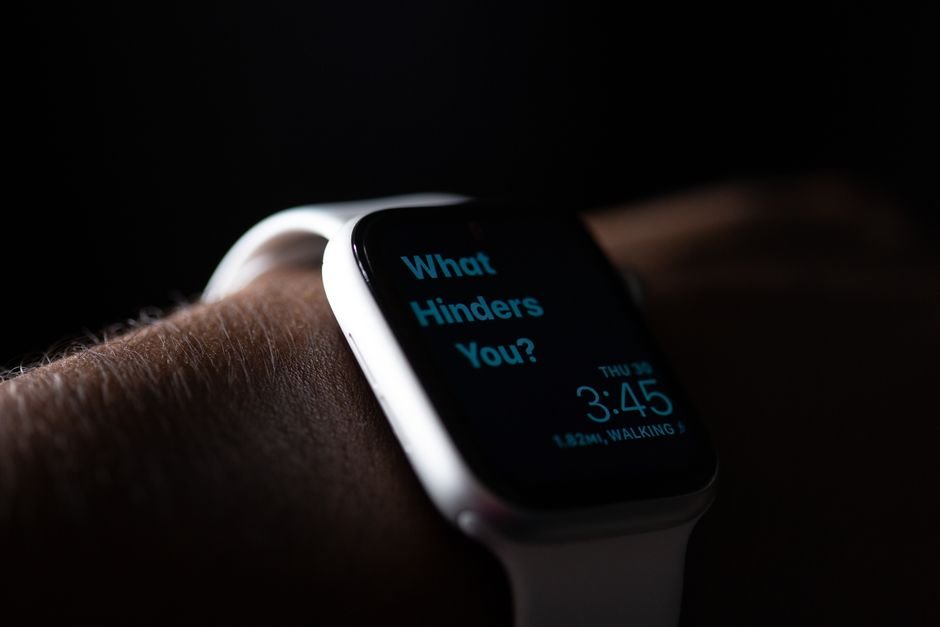
Pictured: Fitbit Inspire 3
| Product | Condition | Price | Best For | Vibration Alert Customization | Battery Life (days) |
|---|---|---|---|---|---|
| Fitbit Inspire 3 Health Fitness Tracker |
New | $$$ | Feature-rich tracking & reminders | Multiple alarms, app-set, repeatable | Up to 10 |
 Lumo Lift Posture Coach & Activity Tracker Lumo Lift Posture Coach & Activity Tracker |
New Other (See Details) | $ | Posture reminders & simplicity | Single alert, posture-triggered or timed | Up to 5 |
Pricing context: $, $$, and $$$ are relative ratings against the other products listed above, not absolute dollar ranges. Live current prices follow below.
Fitbit Inspire 3: the all-in-one reminder and tracker
By spec, the Fitbit Inspire 3 stands out as the most feature-rich vibrating wrist alarm on the shortlist. You get up to 10 days of battery life, an AMOLED touch display, and support for multiple programmable silent alarms—set via the Fitbit app. This makes it ideal for anyone needing more than one daily reminder (take meds at 8, leave for class at 9:40, call the dentist at 3, and so on). It’s also the only device here that tracks heart rate, sleep, steps, and offers smartphone notifications. If you’re looking to combine health tracking with reliable, discreet vibration alarms, this is the only real contender.
However, it’s at the top end of the price range, and some features require a Fitbit Premium subscription—worth noting if you’re only after simple alarms. If you want a device that does everything but won’t overwhelm you with data, the Inspire 3 is as close as it gets in this category.
Lumo Lift: posture nudges and simple reminders on a budget
The Lumo Lift is a different beast. It’s designed first and foremost as a posture coach: you clip it to your shirt or bra strap, and it vibrates when you slouch. But it doubles as a basic activity tracker, counting steps and sending vibration alerts based on posture or a set timer (for example, every 30 minutes as a “get up and move” nudge). There’s no fancy display, and the controls are simple—set up via a paired phone app, then let it do its thing. Battery life is up to 5 days, which is reasonable for a device this small.
If you only need a single, repeating vibration (say, to remind you to sit up straight or move every hour), and don’t want a bulky or expensive wrist gadget, the Lumo Lift is the most affordable and fuss-free option on this list. It’s not a full-featured alarm for complex routines, but for posture and basic reminders, it gets the job done quietly.
What we compared and why these made the shortlist
For this guide, we focused on wearable devices that offer a reliable vibration alarm function—either as a dedicated feature or as part of a broader health or posture tool. We compared the following criteria:
- Vibration alarm flexibility (number of alarms, repeat options, customization in-app)
- Battery life (days per charge—crucial for forgetful folks who won’t remember to plug in daily)
- Comfort and discreetness (wrist vs. clip-on, size, visible display or not)
- Extra features (activity tracking, posture coaching, smartphone notifications, health metrics)
- Price tier (realistic value for what you get, not just lowest sticker price)
We left out unbranded, no-name fitness trackers that don’t specify vibration strength or alarm functions, and any “smart” watches that require a constant Bluetooth connection or force you into expensive app subscriptions just to set a basic alarm. Bundles that obscure the core device (e.g., “5-in-1 fitness packs” with no model number) were also excluded.
This category is not for the person who wants a deafening bedside alarm or who needs a medical-grade device for regulated dosing—these are personal, wearable reminders, not clinical tools. If you need something with a physical bell or for someone with profound hearing loss, look for a purpose-built medical alert device instead.
Related Guides
- Alarm Clocks That Actually Help With ADHD Forgetfulness
- Alarm Clocks That Actually Wake Heavy Sleepers
- Alarm Clocks With Battery Backup That Actually Work
- Fitness Trackers With Alarm Features That Actually Wake You Up
- Our guide to Loud Alarm Clocks That Actually Wake You Up
- Sunrise Alarm Clocks That Actually Work: Wake Up Refreshed
- Browse all Alarm Clocks →
Total cost of ownership
The sticker price is only part of the story with wearable vibrating alarms. Here’s what else you may need to budget for over a typical year:
- Replacement bands or clips: The Fitbit Inspire 3 uses proprietary bands that may cost $15-30 each if you want spares or replacements. The Lumo Lift relies on magnetic clips, which can be lost or worn out—replacement magnets typically run $10-20.
- Subscription services: While both devices offer core vibration functions without ongoing fees, advanced health metrics and guided programs on the Fitbit Inspire 3 require a Fitbit Premium subscription (about $80/year if you want the full suite).
- Charging cables or docks: Lose your original charger? A replacement for either device is usually $10-20. They’re proprietary, so generic cables rarely work.
- Battery replacement: Both devices use rechargeable batteries, but they are not user-replaceable. Expect 2-3 years of use before battery life noticeably drops; after that, you may need to buy a new device.
- App compatibility updates: Over time, app support for older devices may wane, especially with rapid phone OS updates. This isn’t a direct cost, but it can shorten the useful life of your purchase.
In short, plan for at least $20-40 per year in “extras” if you want to keep your device running smoothly and stylishly. Subscription features are optional—most basic alarm and reminder functions work out of the box.
FAQ: Vibrating wrist alarms and what you need to know
Can I set multiple alarms on these devices?
The Fitbit Inspire 3 supports multiple programmable silent alarms, all set through the Fitbit app. The Lumo Lift focuses more on posture-triggered or single, repeating reminders—so if you need many different alarms per day, the Inspire 3 is the stronger fit.
How long does the battery last on a full charge?
The Fitbit Inspire 3 is listed for up to 10 days of battery life under typical use, while the Lumo Lift gives you up to 5 days between charges. Heavy use of vibration or connected features can shorten these numbers by a day or two.
Fitbit Inspire 3 vs Lumo Lift—which is better for discreet medication reminders?
If you need several daily reminders at specific times, the Fitbit Inspire 3 is the better choice. Its silent alarms can be set to repeat on your schedule, and the vibration is strong enough to notice without drawing attention. The Lumo Lift works for single, repeating reminders but isn’t designed for complex schedules.
Will these work with any smartphone?
Both devices require a companion app for initial setup and customization. The Fitbit Inspire 3 supports both iOS and Android devices with Bluetooth 4.0 or higher. The Lumo Lift app is also available on iOS and Android, but you’ll want to double-check compatibility with newer phone models, as app updates can lag over time.
Are there any parts I’ll need to replace regularly?
Expect to replace bands (for the Inspire 3) or magnetic clips (for the Lumo Lift) every 12-18 months, depending on wear and tear. Charging cables can also get lost or damaged, so having a spare is smart.
Is the Fitbit Inspire 3 worth the extra cost over the Lumo Lift?
If you want multiple alarms, robust health tracking, and smartphone notifications, the Inspire 3 justifies its higher price tag. For simple posture nudges or a single reminder, the Lumo Lift covers the basics at a much lower cost. The right choice depends on how much you’ll use the extra features.
The bottom line: who should buy which?
If you want a do-it-all wearable that handles complex routines, health tracking, and silent reminders, the Fitbit Inspire 3 is your best bet. For the price-conscious buyer who wants a simple, posture-focused reminder without the extra fluff, the Lumo Lift is the clear winner. Both beat fumbling with phone alarms or sticky notes—just match the tool to your real-life needs, not the marketing hype.
For further reading on wearable tech standards and privacy, see the Consumer Reports tech section or explore Wikipedia’s overview of wearable technology for a broader context.
Still going to forget, aren’t you?
DontForget is a free Telegram reminder app that doesn’t ping once and give up — it hounds you (in a tone you choose, from gentle to brutal) until you actually do the thing. Nothing to download; it runs right inside Telegram.
Try DontForget free →Last updated: June 2026 · How we research and evaluate