
8 min read
Disclosure: As an Amazon Associate and eBay Partner Network publisher, we earn from qualifying purchases. This doesn’t affect what we recommend or how we describe it.
Lost keys, missing wallets, and vanishing pill cases: these are the everyday nightmares for three kinds of people. The chronically forgetful who just want to get out the door on time; the overwhelmed parent juggling backpacks, lunch bags, and sanity; and the easily-distracted student who can’t find their headphones (again) when the bus is about to leave. The right small item tracker can save you from tearing the sofa apart—if you choose the right one for how you actually lose things.
Comparing the most practical types of small item trackers
| Type | Locator Range | Alert Volume | Battery Life | Attachment Method | Price |
|---|---|---|---|---|---|
| Bluetooth Fob Tracker | Up to 60 meters | 90–110 dB | Up to 12 months | Keyring, adhesive | $$ |
| RF (Radio Frequency) Tag Set | Up to 35 meters | 80–95 dB | 6–12 months | Keyring, lanyard, sticker | $ |
| Credit Card-Style Tracker | Up to 45 meters | 75–90 dB | Up to 3 months | Wallet slot, adhesive | $$ |
| Mini GPS Tracker | Global (via SIM) | — | 2–5 days | Clip, pouch | $$$ |
What you need to know before picking a small item tracker
There’s no one-size-fits-all solution—each tracker type above solves a different headache. Here’s how to decide what actually works for your kind of forgetfulness.
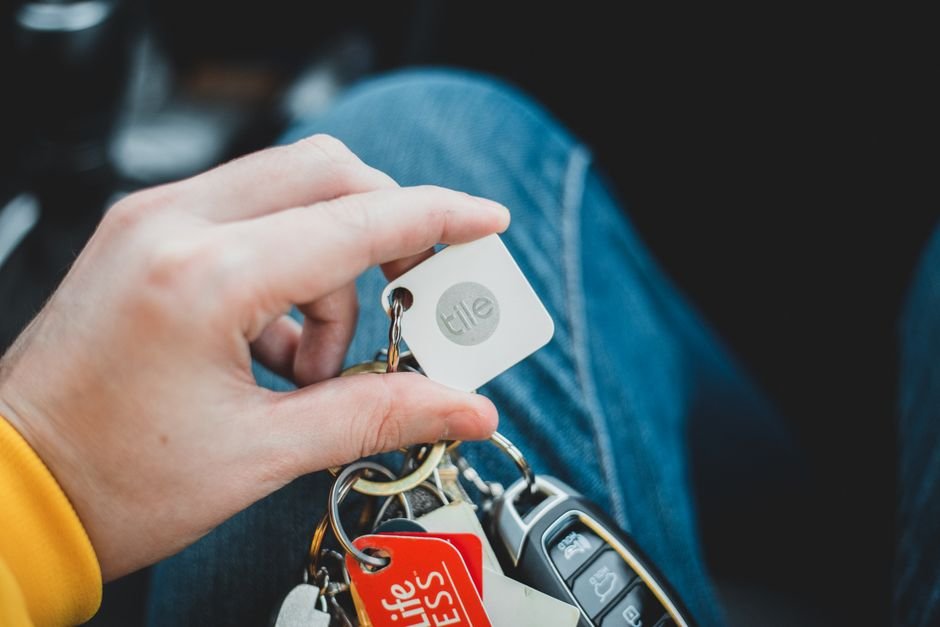
- Bluetooth fob trackers are for the “where the heck did I put my keys?” crowd. They’re small, attach to almost anything, and let you ping your item from your phone (and sometimes the other way around). But their range tops out around 60 meters, and they depend on your phone’s battery and app.
- RF tag sets are blissfully simple—no phone, no app, just a handheld remote and beeping tags. Range is shorter (typically 20–35 meters), but they work through walls, and you’ll never get stuck updating firmware at 7 a.m. These are a top pick for the tech-averse or anyone who wants to track multiple items without fuss.
- Credit card-style trackers slip into wallets, passport holders, or even stick to the back of a phone. They’re the slimmest option, but their batteries are usually not replaceable—plan on swapping every 2–3 months. Alert volume is lower, but they’ll fit where a key fob won’t.
- Mini GPS trackers are for the “I left my backpack on the train” level of panic. These use mobile networks to find your item anywhere with a signal, but battery life is short (think days, not months) and you’ll likely pay a monthly SIM fee. Overkill for keys, but a lifesaver for tracking a school bag or a pet on a camping trip.
Still not sure which fits your forgetfulness? Compare options and see which features match your real-life needs.
Total cost of ownership
Before you click “buy,” remember that the sticker price isn’t the whole story. Here’s what you’ll actually spend to keep your small item tracker working all year:
- Replacement batteries: Bluetooth fobs and RF tags often use coin-cell batteries (like CR2032 or CR2016), costing $3–$10 per year if you replace them every 8–12 months. Credit card-style trackers may require a full replacement, adding up to $15–$30 yearly.
- SIM card/data fees: Mini GPS trackers need a mobile SIM plan, usually $3–$10 per month—so $36–$120 per year, depending on usage and provider.
- Adhesive pads or keyrings: For reattaching or moving trackers, budget $5–$15 per year for fresh adhesive strips or new keyrings, especially if you rotate them between bags or devices.
- Lost tracker replacement: If you’re prone to losing the tracker itself (the ultimate irony), plan for $10–$30 per lost unit, particularly with smaller or card-style devices.
- Optional app subscriptions: Some Bluetooth trackers offer extra features—like unlimited location history or “community find” networks—for a monthly fee (typically $2–$5 per month). Most people can skip this, but it adds up if you want premium features.
Over a year, your “cheap” tracker can quietly double in cost. Factor in these extras before you commit, so your new system doesn’t become another forgotten expense.
Related Guides
- Small Travel Alarm Clocks That Actually Wake You Up
- How to Mount a Wall Calendar Without Making a Mess
- How to Sync Reminders Across Devices Without Losing Your Mind
- How to Reset a Countdown Timer: Quick Fixes for Every Device
- How to Change an Alarm Clock Battery Without the Fuss
- Our guide to Erasable Wall Calendars That Actually Help You Stay Organized
- Browse all Key & Item Trackers →
How loud does the alarm actually get?
Most Bluetooth and RF trackers beep between 80 and 110 decibels—about as loud as a blender or a busy street. This is usually enough to hear through a couch cushion or across a room, but not if you’re vacuuming or have bad hearing. Card-style trackers tend to be quieter (75–90 dB), so if you need a real screamer, check the spec sheet before you buy. For extra-loud reminders, look for models rated at 100 dB or higher.
Can I attach these trackers to anything besides keys?
Absolutely. Most trackers have a keyring hole, adhesive pad, or slot for lanyards and zip ties. People stick them to remote controls, slip them in pill cases, tuck them in wallets, or clip them to backpacks. Just make sure the tracker’s size fits your item—a chunky fob won’t squeeze into a slim wallet, and a card tracker won’t survive a dog collar.
Bluetooth vs RF tag sets: which is better for forgetful parents?
RF tag sets win for sheer simplicity—no app, no phone needed, and instant beeping with a button press. They’re ideal for tracking kids’ lunchboxes, TV remotes, and toys. Bluetooth trackers offer more features (like phone alerts), but require a smartphone and some setup. For parents who just want “press and beep,” RF is the low-stress choice.
How long before I need to replace or recharge the battery?
Bluetooth fobs and RF tags typically last 6–12 months on a single coin-cell battery. Credit card-style trackers run 2–3 months before needing a full swap (since many don’t have replaceable batteries). GPS trackers need charging every 2–5 days, depending on how often they report their location. Always check the battery specs—nothing’s more frustrating than a dead tracker right when you need it.
What happens if I lose the tracker itself?
It’s more common than you’d think! If you lose the tracker, you’ll need to buy a replacement—most brands don’t offer free replacements unless it’s defective. Some Bluetooth systems let you see the last known location on a map, but RF tag sets and card-style trackers have no such option. Pro tip: use a brightly colored case or sticker to make the tracker itself harder to lose.
Are these trackers safe for kids and pets?
Most small item trackers are safe as long as they’re securely attached and not a choking hazard. For pets or young children, choose a tracker with a sturdy clip or pouch and avoid anything with small, easily-swallowed batteries. For more on device safety, check reputable consumer guides like Which? for up-to-date recommendations.
Can I track things if I’m far away—like across town?
Bluetooth and RF trackers have limited range (up to 60 meters for Bluetooth, about 35 meters for RF), so you’ll need to be nearby to make them beep. For tracking items you lose farther afield—like a backpack left at school—a mini GPS tracker is your only reliable option. Just remember, GPS trackers require charging every few days and a live SIM card to work.
Real-world advice for forgetful, busy, or easily-distracted people
Here’s what experience (and a few dozen lost keys) has taught me about small item trackers:
- Keep it simple: If you dread setting up apps or remembering passwords, RF tag sets are your friend. No Bluetooth pairing, no accounts, just press and beep.
- Attach, don’t toss: Use a keyring or sturdy adhesive. Loose trackers are just more things to lose—secure them to your item and check now and then that they’re still attached.
- Replace batteries before they die: Set a calendar reminder (or, ahem, use a reminder bot) to swap batteries every six months, even if the tracker isn’t beeping “low battery” yet.
- Use color and labels: Bright stickers or a dab of nail polish make trackers easier to spot—and less likely to be thrown out with receipts or wrappers.
- Start with a single tracker: Test one before buying a multipack. You’ll quickly learn what features matter and if the system fits your real habits.
Ready to pick your new anti-losing sidekick? See today’s deals on the most useful small item trackers for busy lives.
Why small item trackers are worth it for the forgetful
For most people who struggle with forgetfulness or distraction, the right small item tracker is less about “finding” and more about peace of mind. No more panicked searching, no more late starts, and no more blaming the dog for your missing wallet. Even the simplest system can save you hours (and a few grey hairs) each year.
If you’re on the fence, remember: a $20 tracker that saves you from missing a meeting or double-buying a lost inhaler pays for itself in weeks. Want to see which type fits your habits (and budget)? Compare options and get your daily essentials under control, once and for all.
For more background on item tracking technology and safety, you can check resources like the Consumer Reports homepage. The right tracker isn’t just a gadget—it’s a lifeline for the genuinely forgetful.


Still going to forget, aren’t you?
DontForget is a free Telegram reminder app that doesn’t ping once and give up — it hounds you (in a tone you choose, from gentle to brutal) until you actually do the thing. Nothing to download; it runs right inside Telegram.
Try DontForget free →Last updated: July 2026 · How we research and evaluate