
8 min read
Disclosure: As an Amazon Associate and eBay Partner Network publisher, we earn from qualifying purchases. This doesn’t affect what we recommend or how we describe it.
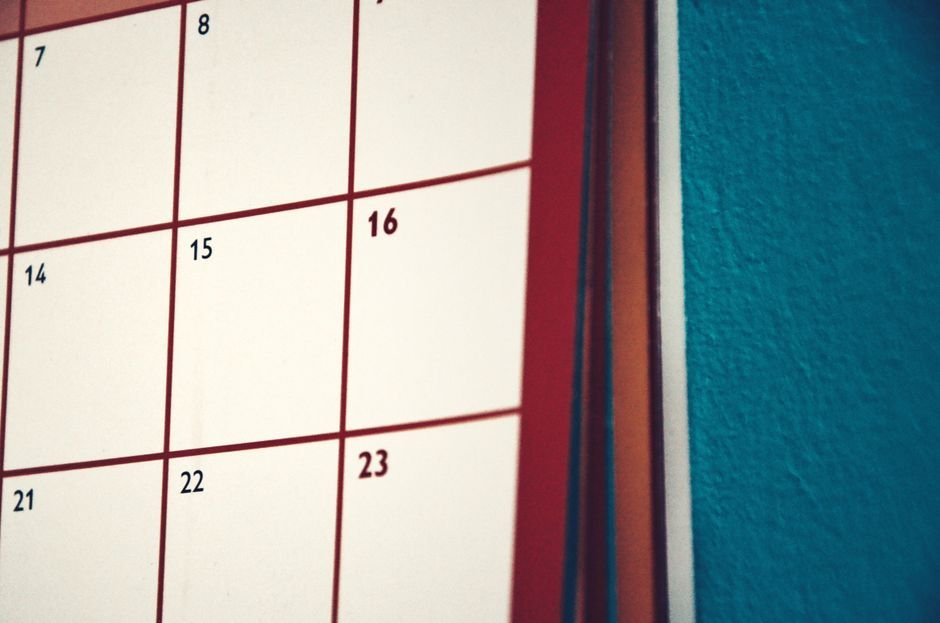
Hang a wall calendar using sturdy hooks, adhesive strips, or thumbtacks placed at eye level in your most-trafficked spot—usually the kitchen, hallway, or beside your desk. This keeps your calendar visible and accessible, which is the real secret to actually using it (and not forgetting your cousin’s birthday or the parent-teacher meeting… again).
But if you’re easily distracted, busy, or just plain forgetful, that’s only half the battle. The way you mount your calendar makes a surprising difference in whether you’ll actually glance at it—or let it blend into the wallpaper. This guide covers how to choose the right mounting method for your calendar, step-by-step instructions for putting it on the wall, and the specs that actually matter (like, will it fall off after a week?). Let’s get your calendar up once and for all—no tools lost, no drywall destroyed, and no more missed appointments.
Wall calendar mounting methods compared: which is best for you?
| Approach | Ideal Surface | Supports Weight | Removability |
|---|---|---|---|
| Adhesive Strips | Painted drywall, glass | Up to 1.8 kg / 4 lbs | Clean removal (no holes) |
| Push Pins / Thumbtacks | Corkboard, drywall | Up to 0.5 kg / 1 lb | Leaves small holes |
| Magnetic Hooks | Fridge, metal doors | Up to 2.2 kg / 5 lbs | Instant reposition |
| Screw-in Hooks | Wood, drywall with anchors | Up to 4.5 kg / 10 lbs | Permanent (holes left) |
What most buying guides get wrong about calendar mounting
Most guides gloss over two things: First, your wall calendar is only useful if you see it often—so placement matters more than anything. Second, mounting isn’t just about “will it stick?” but also “will it stay put after a few months of flipping pages?” and “can I move it without wrecking my wall?” For forgetful types, it’s also about how easy it is to put up in the first place—if you have to hunt for a screwdriver, it’ll probably stay in the shrink-wrap until 2025.
Here’s the rundown: if you rent, or just don’t want to patch holes, adhesive strips are your best friend. For students or anyone with a corkboard, thumbtacks are fast and cheap. Got a metal fridge? Magnetic hooks are the ultimate in lazy convenience. And if you own your walls and want a “forever” spot, screw-in hooks are the gold standard for heavy, multi-page calendars.
See today’s deals on mounting kits that match your wall type and calendar size—with no guesswork.
How to mount a wall calendar: step-by-step
- Pick your calendar location. Choose a spot you walk past daily—like the kitchen, hallway, or above your desk. Make sure there’s enough space for the calendar to hang flat and for you to write on it easily.
- Check your wall surface. Is it drywall, painted plaster, tile, metal, or wood? This affects which mounting method you should use. For example, adhesive strips work best on smooth, clean drywall; magnetic hooks need a metal surface.
- Gather your mounting supplies. Depending on your choice, grab adhesive strips (rated for at least the calendar’s weight), push pins, magnetic hooks, or screw-in hooks with anchors. Don’t forget a pencil and tape measure if you want it perfectly straight (or just eyeball it—no judgment).
- Prepare the wall. Wipe the wall with a damp cloth to remove dust and grease. For adhesive strips, let the area dry completely before sticking.
- Mark the spot. Hold your calendar up at eye level and mark the top corners lightly with a pencil. For calendars with a center hole, mark the center point.
- Attach the mounting hardware. Stick adhesive strips, push in thumbtacks, stick on magnetic hooks, or screw in hooks/anchors as needed. Make sure they’re level and secure—especially if your calendar is heavy or you’ll be flipping pages often.
- Hang your calendar. Place the calendar onto the hooks, tacks, or strips. Gently press or adjust as needed. If using adhesive strips, follow the package instructions for how long to hold or wait before hanging any weight (often up to 1 hour).
- Check for sturdiness. Give the calendar a gentle tug or flip a page—if it wobbles or falls, adjust the hardware or try a different mounting method.
Specifications that actually matter
Weight Capacity
This is the maximum weight your mounting option can safely hold. Most wall calendars weigh 200–700 grams (0.5–1.5 lbs), but thick planners or multi-page calendars can be heavier. Always check the packaging on adhesive strips or hooks—look for at least 1.5 times your calendar’s actual weight to be safe.
Wall Compatibility
Not all mounting methods work everywhere. Adhesive strips can fail on textured or dusty surfaces. Push pins work best on corkboard or soft drywall, while magnetic hooks are useless on non-metal. Always match your mounting to your wall material for hassle-free installation.
Removability
If you rent or change things up often, look for mounting options that claim “damage-free removal.” Adhesive strips usually peel off cleanly—but only if you follow the removal instructions. Screw-in hooks and thumbtacks leave small holes, which may need patching later.
Ease of Installation
For busy or easily-distracted folks, simple is best. Adhesive strips and magnetic hooks require no tools and can be installed in under 2 minutes. Screw-in hooks need a drill or screwdriver, and more patience. If you’ve lost your toolkit (again), stick with the tool-free options.
Reusability
Some mounting options are single-use (adhesive strips), while others like magnetic hooks and screw-in hooks can be moved or reused. If you rearrange things often, opt for something you can reposition without running to the store for replacements.
Related Guides
- How to Mount a Wall Calendar: A Step-by-Step Guide
- Our guide to Digital Wall Calendars That Actually Help You Stay on Track
- Family Wall Calendars, Reviewed for Real-Life Households
- Digital Wall Calendars That Actually Help You Stay Organized
- Digital Wall Calendars That Are Actually Worth Hanging Up
- Erasable Wall Calendars That Actually Help You Stay Organized
The spec almost nobody talks about: calendar visibility
Mounting is half the battle; the other half is actually looking at your calendar. Place it at eye level—about 145–155 cm (57–61 inches) from the floor for most adults. If you’re mounting it for kids, go lower. Don’t hide it behind a door or on a cluttered wall. The more visible it is, the more likely you are to use it—and the less likely you’ll double-book yourself or forget that dentist appointment.
For more strategies on keeping reminders in sight and in mind, check out advice from the National Association of Productivity & Organizing Professionals UK, which covers practical placement tips for all types of planners and calendars.
And if you want backups for your reminders (because we all know the “I’ll remember it” lie), try pairing your wall calendar with digital reminders. Compare options for simple reminder apps that work alongside your physical calendar—so you get a nudge even if you walk by in a daze.
FAQs for forgetful and busy people mounting wall calendars
How much weight can adhesive strips really hold for a wall calendar?
Most heavy-duty adhesive strips can hold up to 1.8 kg (4 lbs) per set—enough for even a thick, 12-month calendar. Always check the package and use enough strips for your calendar’s weight. If your calendar is oversized or has a wooden frame, consider screw-in hooks for extra security.
Push pins vs. adhesive strips—which works better for renters?
Adhesive strips are usually the best bet for renters, since they come off cleanly without leaving holes. Push pins are faster but leave tiny marks, which your landlord may notice. For short-term mounting or if you don’t mind patching a few pinholes, thumbtacks are fine; otherwise, stick with removable adhesives.
Can I mount a wall calendar on a fridge or metal surface?
Absolutely—use magnetic hooks or clips rated for at least 1 kg (2.2 lbs). These are perfect for kitchen calendars or shared family schedules. Just make sure your fridge is actually magnetic, as some modern stainless steel models aren’t. Test with a regular fridge magnet first.
How long do adhesive strips last before they fail?
Good-quality adhesive strips can hold for 6–12 months if applied to a clean, dry surface and not overloaded. High humidity or frequent calendar flipping can shorten their life. Replace the strips if you notice peeling, or if your calendar takes a tumble.
What if my wall calendar keeps falling down?
If your calendar won’t stay put, check if you’re exceeding the mounting method’s weight limit, or if the wall is dusty, textured, or damp. Try cleaning the wall and using fresh adhesive or a different mounting option. For heavy calendars, screw-in hooks or anchors are the most reliable fix.
Is it easy to move a wall calendar once mounted?
Magnetic hooks are the easiest—just pick up and move. Adhesive strips can be removed and reapplied, but you’ll need fresh strips each time. Screw-in hooks and thumbtacks take a little more effort and leave marks, but are still manageable if you don’t mind a bit of patching later. For ultimate flexibility, consider a corkboard as your calendar’s home base.
Do wall calendars come with mounting hardware?
Most basic wall calendars don’t include mounting hardware—just a punched hole or spiral for hanging. Some premium planners may include a hook or adhesive square, but it’s rare. Plan to buy mounting supplies separately based on your preferred method. View what’s available in multi-pack mounting kits for different wall types.
Final thoughts: set it and forget it (almost)
Mounting a wall calendar isn’t rocket science, but a little planning goes a long way—especially if you’re prone to distraction or last-minute chaos. Pick the right spot, use the right hardware, and check that it’s secure. Then, actually look at it! For the best odds of remembering what’s on your schedule, combine a visible wall calendar with digital reminders. Your future self (and your family) will thank you.
For more research-backed guidance on organizing your home and routines, the Good Housekeeping Institute regularly reviews tools and tips for making daily life run smoother. And if you want to supercharge your reminders, don’t forget to try a free reminder app that’s built for the genuinely forgetful—because sometimes, even a calendar needs backup.



Still going to forget, aren’t you?
DontForget is a free Telegram reminder app that doesn’t ping once and give up — it hounds you (in a tone you choose, from gentle to brutal) until you actually do the thing. Nothing to download; it runs right inside Telegram.
Try DontForget free →Last updated: July 2026 · How we research and evaluate