
8 min read
Disclosure: As an Amazon Associate and eBay Partner Network publisher, we earn from qualifying purchases. This doesn’t affect what we recommend or how we describe it.
Parents wrangling dinner and homework, students fighting the “I’ll do it later” urge, and anyone who’s ever burned a pan or missed a meeting all share a common enemy: lost track of time. The right timer—analog or digital—can be the line between “nailed it” and “totally forgot.” But which actually helps you remember, and which just adds to the chaos? Here’s how to pick the timer that’ll keep you on track, not just look pretty on the fridge.
Analog vs Digital Timers: What Actually Works for Real People?
| Type | Timer Range | Alarm Volume | Ease of Use | Battery/Power | Price |
|---|---|---|---|---|---|
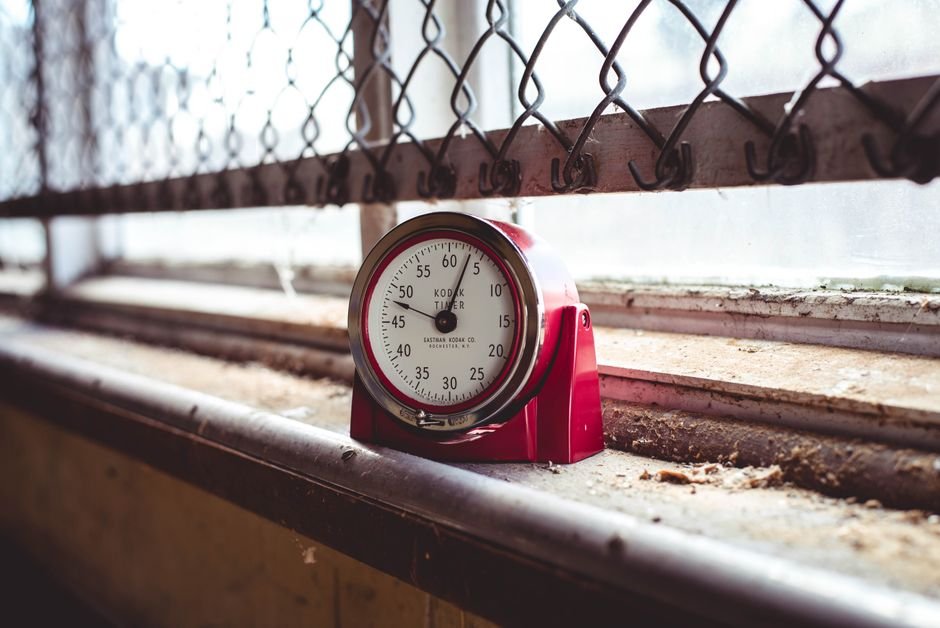
| Classic Wind-Up Analog | 1–60 min | 70–80 dB | Twist dial, instant start | None (mechanical) | $ |
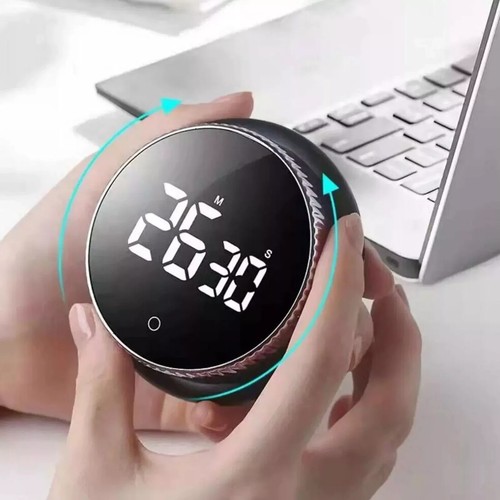
| Digital Basic (Single Alarm) | 1 sec–99 min | 85–95 dB | Push-button set | 1x AAA/CR2032, 6–12 mo | $ |
| Digital Multi-Alarm | 1 min–24 hr | 90–110 dB | Multiple buttons, LCD | 2x AAA, 3–6 mo | $$ |
| Magnetic Visual Analog | 1–60 min | 60–80 dB | Color dial, twist to set | None (mechanical) | $$ |
| Digital Silent Vibrating | 1 min–99 hr | Vibration only | Small screen, set-and-forget | Rechargeable, 7–14 days | $$$ |
Pricing context: $, $$, and $$$ are relative ratings against the other products listed above, not absolute dollar ranges. Live current prices follow below.
Which Timer Actually Helps You Remember?
Forgetful folks don’t need a timer that’s “smart”—they need one that’s impossible to ignore, easy to reset, and doesn’t die just when you need it. Analog timers win for sheer simplicity: twist, tick, bing. No batteries to forget, no menus to scroll. But digital timers can blast a louder alarm, run longer, and often let you set multiple reminders—key for busy schedules or ADHD brains that lose track after the first ding.
The “visual” timers—think those with a color disc that shrinks as time runs out—are a game-changer for anyone who needs to literally see time slipping away, not just hear about it at the end. If you need absolute silence (hello, library), a digital timer with a vibration alert is your best friend, though you’ll pay more and have to remember to charge it.
See today’s dealsReal-World Scenarios: Who Should Pick What?
Let’s get specific. Here’s who gets the most out of each timer type, and why:
- Cooking or single-task focus: A wind-up analog or basic digital does the job. No fuss, just set and go.
- Kids or visual learners: Go for a magnetic visual analog timer—the color countdown is hard to ignore, even across the room.
- Medication, multi-step routines, or ADHD: Digital multi-alarm timers let you set up to 12 reminders, perfect for spaced-out tasks or remembering pills at different times.
- Heavy sleepers or noisy homes: Choose a digital timer with a 100+ dB alarm—or a vibrating timer you can clip to your pocket.
- Forgetful about batteries: Mechanical analog timers. No battery, no problem. Just don’t drop them on tile floors—they don’t bounce.
What Features Actually Matter for the Easily Distracted?
Here’s where the rubber meets the road. Forget the marketing fluff—these are the features that make a difference for people who actually forget things:
- Alarm volume: Anything under 80 dB can get lost in a busy kitchen or living room. Look for 90+ dB if your house is lively (or you’re a world-class ignorer).
- Timer range: Analog timers rarely go past 60 minutes. If you need reminders hours from now, digital is your only option.
- Multiple alarms: Some digital timers let you program up to 12 alarms—a lifesaver if you need nudges all day.
- Visual cues: Color dials or countdown bars are proven to help kids and adults with attention issues “see” time passing. It’s a game-changer for transitions.
- Mounting: Magnets, stands, or clips matter more than you’d think. A timer that lives on the fridge or your shirt is much harder to lose than one that rolls under the sofa.
- Reset speed: If it takes more than 5 seconds to reset, you’ll end up not using it. Analog timers and digital timers with a “quick reset” button win here.
- Power source: If you hate buying batteries, stick with wind-up analogs or rechargeable digitals. Coin cells last 6–12 months, but AAA-powered timers can die fast if you blast the alarm daily.
Related Guides
- Analog Timer vs Digital Timer: Which Should You Choose?
- Our guide to Digital Wall Calendars That Actually Help You Stay on Track
- The Best Digital Countdown Timers for Busy and Forgetful People
- Top Digital Wall Calendars That Actually Help You Stay Organized
- How to Reset a Countdown Timer: Quick Fixes for Every Device
- Our guide to How to Set a Kitchen Timer: A Simple Guide for Forgetful Cooks
Total cost of ownership
Even the cheapest timer can end up costing more than you expect over its lifetime. Here’s what to budget for beyond the sticker price:
- Batteries: Digital timers eat through AAA or coin cell batteries. Expect to replace them every 6–12 months for basic models, or every 3 months for multi-alarm units. Annual battery cost: $5–$15.
- Replacement bands/clips: Vibrating or wearable timers often need new bands or clips every year, especially if worn by kids. Estimate $3–$10 per year.
- Lost magnets or stands: If your timer lives on the fridge or desk, small mounting parts tend to disappear. Figure on replacing a magnet or stand every 2–3 years ($2–$5 each time).
- Mechanical failures: Wind-up analogs can break if over-wound or dropped. Budget for a replacement every 2–3 years if you’re hard on your gear.
- Charging cables (for rechargeable timers): These are easy to misplace. A replacement cable can run $2–$8.
Factoring in these “hidden” costs can help you decide if a pricier rechargeable timer or a low-maintenance analog is the smarter buy for your household.
FAQs: Analog and Digital Timers for the Chronically Forgetful
How loud is the alarm on most kitchen timers?
Analog timers generally ring at 70–80 dB, which is about as loud as a vacuum cleaner. Digital timers often hit 90–110 dB, making them much harder to ignore in a noisy home. If you need something truly ear-splitting, look for timers rated at 100 dB or above.
Can I set more than one reminder at a time?
Standard analog timers only handle one countdown at a time. Some digital models let you program multiple alarms—up to 12 on certain multi-alarm setups. This is especially useful if you need reminders for several tasks spread out over a day.
Analog vs digital: Which is better for kids or people with ADHD?
Visual analog timers with a colored countdown are favorites for kids and anyone with attention issues, because you can literally see time running out. Digital timers win if you need several alarms or a longer countdown, but they can be fiddly to set for little hands. For pure simplicity and visibility, visual analog types often come out on top.
Will a timer wake a heavy sleeper?
Most analog timers won’t do the trick—they’re simply not loud enough. Some digital timers with 100+ dB alarms can wake heavy sleepers, but the best bet is a vibrating timer that clips to your pillow or pocket. These are pricier but much more reliable if you sleep through anything.
How long does a digital timer battery last?
Basic digital timers with coin cell batteries can last 6–12 months, depending on alarm volume and how often you use them. Multi-alarm models or those with backlit screens may need new AAA batteries every 3–6 months. Rechargeable timers usually last 7–14 days per charge, depending on usage.
Is it easy to reset the timer after it goes off?
Most analog timers reset instantly—just twist the dial again. Digital timers vary: some have a dedicated reset button, while others require a few button presses to clear and restart. If you need to set back-to-back timers quickly, check for a “quick reset” feature before buying.
Do these timers stick to the fridge or metal surfaces?
Many analog and digital timers come with built-in magnets for fridge or whiteboard use. However, not all magnets are strong—look for one rated to hold at least 100 grams if you want it to stay put. If you’re constantly knocking things off the fridge, a timer with a stand or clip might be a better fit.
What if my timer breaks or doesn’t work as expected?
Most reputable timer sellers offer a 1-year warranty, but check the return policy before you buy—especially for digital timers, which are more prone to screen or button issues. Mechanical analog timers are usually more reliable, but can be damaged by drops or over-winding. Always keep your receipt just in case.
Why the Right Timer is a Game-Changer for the Forgetful
Picking between analog and digital isn’t about which is “better” on paper—it’s about which one actually nudges you when you need it, fits your routine, and doesn’t end up in the back of a junk drawer. For most forgetful or busy folks, the best timer is the one you’ll actually use, day in and day out. Simpler is often better, but if you need extra alarms or a louder nudge, digital has its place. Want to dig deeper into time management tools or reminder strategies? The National Institute of Mental Health has helpful resources for building routines, and CDC guides cover medication and health reminders.
Whatever you pick, set it up today—future you will thank you when dinner isn’t burnt and that meeting isn’t missed.


Still going to forget, aren’t you?
DontForget is a free Telegram reminder app that doesn’t ping once and give up — it hounds you (in a tone you choose, from gentle to brutal) until you actually do the thing. Nothing to download; it runs right inside Telegram.
Try DontForget free →Last updated: July 2026 · How we research and evaluate