7 min read
Disclosure: As an Amazon Associate and eBay Partner Network publisher, we earn from qualifying purchases. This doesn’t affect what we recommend or how we describe it.
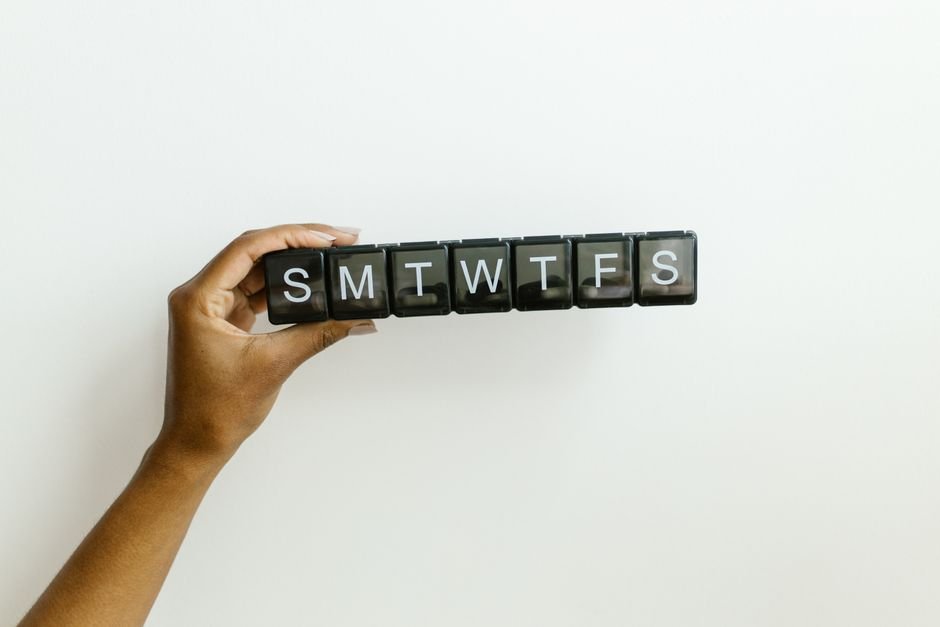
Set a medication alarm and—wait, did you already take your pill? If you’re searching for a medication reminder device for seniors, the answer is simple: choose a tool that’s loud, easy to set, and impossible to ignore, even on the busiest or most distracted days. This guide breaks down the best types of medication reminder devices for seniors, explains which features matter (and which don’t), and gives you real-world advice on picking one that actually helps you remember—without adding more confusion to your routine.
Medication reminder devices for seniors—what actually works?
| Type | How Reminders Work | Max Alarms | Volume | Battery Life | Price |
|---|---|---|---|---|---|
| Talking Pill Box | Voice + beeping alarm | 6 per day | 95 dB | 7 days (rechargeable) | $$ |
| Vibrating Wristband Timer | Strong vibration + flashing light | 12 per day | — | 30 days (replaceable) | $$$ |
| Simple Digital Pill Timer Cap | Beeper alarm only | 1 per bottle | 85 dB | 6 months (coin cell) | $ |
| Magnetic Pill Organizer with Reminder | Flashing light + beeper | 4 per day | 100 dB | 14 days (USB rechargeable) | $$ |
What most buying guides get wrong about medication reminders
Most “best of” lists focus on fancy features that sound impressive but don’t tackle the true enemy: forgetfulness and distraction. Seniors (and their caregivers) need reminders that are reliable, easy to set up, and hard to ignore. Forget Bluetooth syncing or complicated apps—unless you’re a tech whiz, those just add another thing to remember. The best device is one that works every single day, even when routines get chaotic.
For many, the difference between taking medication on time and missing a dose is all about the little things: is the alarm actually loud enough (above 90 dB)? Does it have a strong vibration for those with hearing issues? Can it be reset without digging out a 40-page manual? These details matter more than “smart” features or fancy displays.
See today’s dealsSpecifications that actually matter
Alarm Volume (dB)
Look for devices with a minimum alarm volume of 85 dB—about as loud as a hairdryer. Many seniors or heavy sleepers need even more. Some organizers reach up to 100 dB, which is hard to miss even with mild hearing loss. Lower volumes may be fine for quiet homes, but always check the decibel rating if you’re worried about missing the alert.
Number of Daily Alarms
If you take medication more than once a day, check the maximum alarms per day. Some basic timers only allow one reminder; others support 4, 6, or even 12. Match this to your routine—if you take pills morning, noon, and night, you’ll want at least three daily alarms.
Battery Life and Charging
Short battery life is a recipe for missed doses. Most simple digital caps last 6 months or more on a coin cell. Rechargeable pill boxes usually last a week or two per charge. Wristband timers with vibration can run 30 days between charges. If recharging is a hassle, pick a device with long battery life and easy-to-swap batteries.
Reset and Setup Simplicity
No one wants to read a tiny instruction manual every time the clocks change. Devices with one-button reset, simple programming, or automatic daylight savings adjustment save real frustration. If you (or your loved one) are easily confused by tech, avoid models with complicated menus or multi-step programming.
Physical Accessibility
Buttons should be large and easy to press. Visual indicators (like flashing lights) help those with hearing loss. Magnetic options stick to the fridge for easy access, while wristbands or pocket-size timers are best for seniors on the go. If arthritis or dexterity is an issue, avoid tiny switches or stiff lids.
Compare optionsRelated Guides
- Setting Up Medication Reminders That Actually Work: A No-Nonsense Guide
- The Top 5 Fitness Trackers Worth Your Money
- Our guide to Loud Alarm Clocks That Actually Wake You Up
- Bluetooth Key Finders for Android: Which Ones Actually Work?
- Digital Wall Calendars That Actually Help You Stay on Track
- Our guide to Bluetooth Key Finders That Actually Work: Our Favorites for 2026
- Browse all Pill Organisers →
Real-world tips for choosing a medication reminder device for seniors
Start by mapping out your (or your loved one’s) daily medication schedule. Count how many separate reminders you’ll need each day. If you take pills four times a day, a device that only allows two alarms won’t cut it. Next, think about where you’ll use the reminder—by the bed, in the kitchen, or on the move? Stationary pill organizers are great for homebodies, while wristbands or pocket timers suit active seniors.
Don’t underestimate the power of a simple, loud beeper. Voice reminders can be comforting, but only if they’re clearly audible. Vibration is essential for anyone with hearing difficulties or if you’re prone to missing audio alarms. And if resetting a device requires three hands and a magnifying glass, it’s not the right choice—especially for someone with memory or dexterity challenges.
Finally, avoid advanced “smart” features unless you’re genuinely comfortable with apps and Bluetooth. These often require regular syncing, software updates, or even a smartphone to function. For most seniors, a straightforward, stand-alone device is less stressful and more reliable.
View what’s availableFAQs: medication reminder devices for seniors
How loud is the alarm on most medication reminders?
Most devices intended for seniors have alarms ranging from 85 dB to 100 dB. That’s about as loud as a blender or a passing motorcycle—plenty to get attention, even across a room. For those with hearing loss, look for maximum volume settings and test them in your home environment.
Can I set multiple reminders for different times each day?
Yes, but the number of reminders varies widely. Some basic pill timers only allow one alarm per day, while talking pill boxes and wristband timers typically let you set 4–12 reminders. Always check the device’s maximum daily alarms before buying to ensure it fits your medication schedule.
Will a vibrating wristband wake up a heavy sleeper?
Vibrating wristbands are designed to be felt, not just heard. Most models use a strong motor that’s hard to ignore, even for heavy sleepers. However, if you sleep particularly deeply, pairing vibration with an audio alarm or placing the device directly on the skin increases the odds you’ll notice it.
How long does the battery last on a typical pill reminder?
Battery life depends on the type of device. Simple digital pill caps can last up to 6 months on a single coin cell battery. Rechargeable talking pill boxes generally need charging once a week, while vibrating wristbands may last a full month between charges. It’s smart to set a recurring note to check battery status every few weeks.
Talking pill box vs. magnetic organizer—which is better for forgetful seniors?
Talking pill boxes offer voice prompts and are great for those who respond well to verbal cues. Magnetic organizers, especially with bright flashing lights and louder alarms, are better if you need a visual and audio reminder in a central location like the fridge. If dexterity or vision is a concern, magnetic organizers tend to be simpler to open and reset.
Is it easy to reset the alarm or change the reminder time?
Ease of resetting varies by device. Some models have a single button to clear and reprogram alarms, while others require navigating small menus or holding multiple buttons. Always check that the instructions are clear, the buttons are accessible, and you can reset the device without assistance. For many seniors, simplicity is key—avoid anything with a complicated setup process.
What if my device breaks or stops working—are returns or replacements easy?
Most manufacturers offer at least a one-year warranty on medication reminder devices, but always check before purchasing. Look for sellers with a clear return policy and responsive customer service. If possible, buy from a retailer that allows returns within 30 days, so you can test the device in your real routine and swap it if it’s not the right fit.
The spec almost nobody talks about: accessibility and peace of mind
It’s easy to get distracted by rows of features and miss what actually matters—does the device help you (or your loved one) feel confident that medication won’t be forgotten? For many seniors, the right reminder device is as much about peace of mind as it is about technology. A simple, loud, easy-to-use tool can make the difference between daily stress and a smoother, safer routine at home.
For more on safe medication practices and device recommendations, check out the AARP and the U.S. Food and Drug Administration. Both offer practical guides and up-to-date info on medication safety for seniors.


Still going to forget, aren’t you?
DontForget is a free Telegram reminder app that doesn’t ping once and give up — it hounds you (in a tone you choose, from gentle to brutal) until you actually do the thing. Nothing to download; it runs right inside Telegram.
Try DontForget free →Last updated: June 2026 · About our research